



Introduction — a small shop, a loud hum, and a clock that won’t stop
I remember walking into a shop at dawn, the smell of cutting oil and hot metal thick in the air — the machines already singing. In that noisy morning, a single operator stood between two benches, juggling parts and schedules, while a double spindle CNC machine hummed predictably on the other side of the room. Data had been clear for months: shops that adopted dual-spindle setups often cut cycle time by 20–40% on paired operations (real shop numbers, not just marketing). So why do many teams still hesitate—what exactly holds them back from switching lanes?
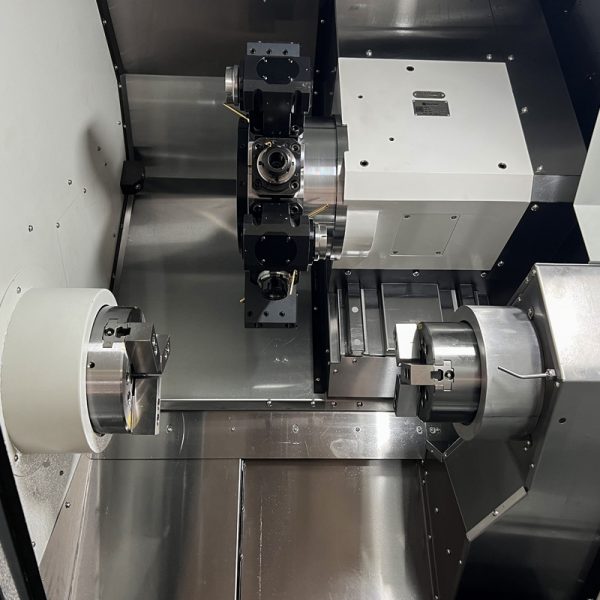
The scene feels vivid: chucks clamping, chips flying, control screens glowing blue. I can almost taste the copper and steel. Yet behind that sensory picture lies a question worth pausing on. How do we turn that steady hum into consistent profit, without creating new headaches for operators and maintenance crews? This piece will move from that morning snapshot into the nuts-and-bolts problems operators face, then forward to practical ways to decide and adapt. Let’s roll into the next section.
Part 2 — The hidden friction: why many double spindle machine installs trip up
double spindle machine is a straightforward phrase. The reality under the skin is not. I’ve seen installs that promise fast payback but deliver frustration instead. Technically, dual spindles demand matched spindle speed control, synchronous tool paths, and a stronger spindle drive. In plain terms: both ends must talk to the CNC controller and the servo motor system in lockstep. When one side lags, you get scrap, chatter, and angry customers. Look, it’s simpler than you think, but it still needs discipline.
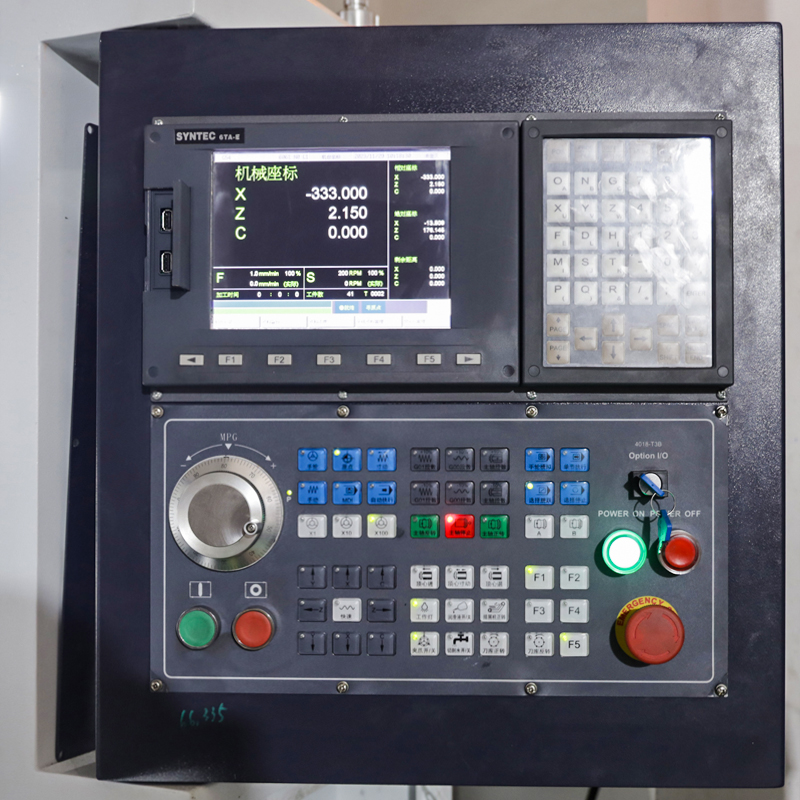
What breaks first?
Start with the tool turret and cutting tool management. If tool offsets and wear compensation aren’t handled well, you’ll spend hours chasing tolerances. Next, power converters and drive electronics take the load—many shops underestimate thermal and electrical stress when both spindles run full tilt. I’ve watched a clean-cut part turn into a geometry headache because the PLC logic was written for single-spindle timing. That’s a subtle, costly flaw.
Operationally, hidden user pain points often revolve around workflow and ergonomics. Dual spindles can double throughput but they can also double setup complexity. Operators need clear jigs, standardized fixturing, and simple debug routines. Without those, you increase cognitive load, slow changeovers, and invite mistakes. We can fix this, but it takes planning: CAD/CAM strategies that simulate both spindles, clear maintenance checklists, and retraining that respects shop time. I prefer short, hands-on sessions—show me the machine, not a slide deck. — funny how that works, right?
Part 3 — Looking forward: what smarter dual-spindle use looks like
When I think about the next step, I picture a line where every machine knows its role. The future isn’t just two spindles doing the same job. It’s about orchestration: adaptive cycle planning, predictive maintenance, and smarter toolpath scheduling. Modern controllers let you split tasks across spindles dynamically. A good example: one spindle roughs while the other finishes, then they swap without stopping the bar feed. If you combine that with simple edge analytics and spindle load monitoring, you reduce idle time and catches issues early—fewer surprises, more steady output.
What’s Next
Consider the phrase cnc double spindle machine as shorthand for an ecosystem, not just hardware. In practice, that means integrating CAD/CAM programs that simulate dual-spindle sequences, using CNC controller features to choreograph spindles, and deploying basic sensors for spindle load and temperature. I’ve worked on cases where small investments in monitoring cut unplanned stops by half. The math is simple: less downtime equals better margins.
To close on something practical, here are three evaluation metrics I use when advising a shop (they help me sleep at night): 1) Cycle efficiency gain — measure actual parts per hour with both spindles active; 2) Changeover time — aim for standardized fixturing that keeps swaps under X minutes; 3) Robustness of control logic — verify that CNC programs handle spindle sync failures safely. Use those and you’ll see whether the upgrade is an investment or a gamble. I’ve seen both outcomes. We make choices. We live with them.
In short: dual spindles can be transformative, but only if you treat them as a systems problem—mechanics, electronics, software, and people. I’ve learned this the messy way and the neat way. Choose the neat way. For practical solutions and reliable machines, check Leichman.