



Starting point: a side-by-side look that matters
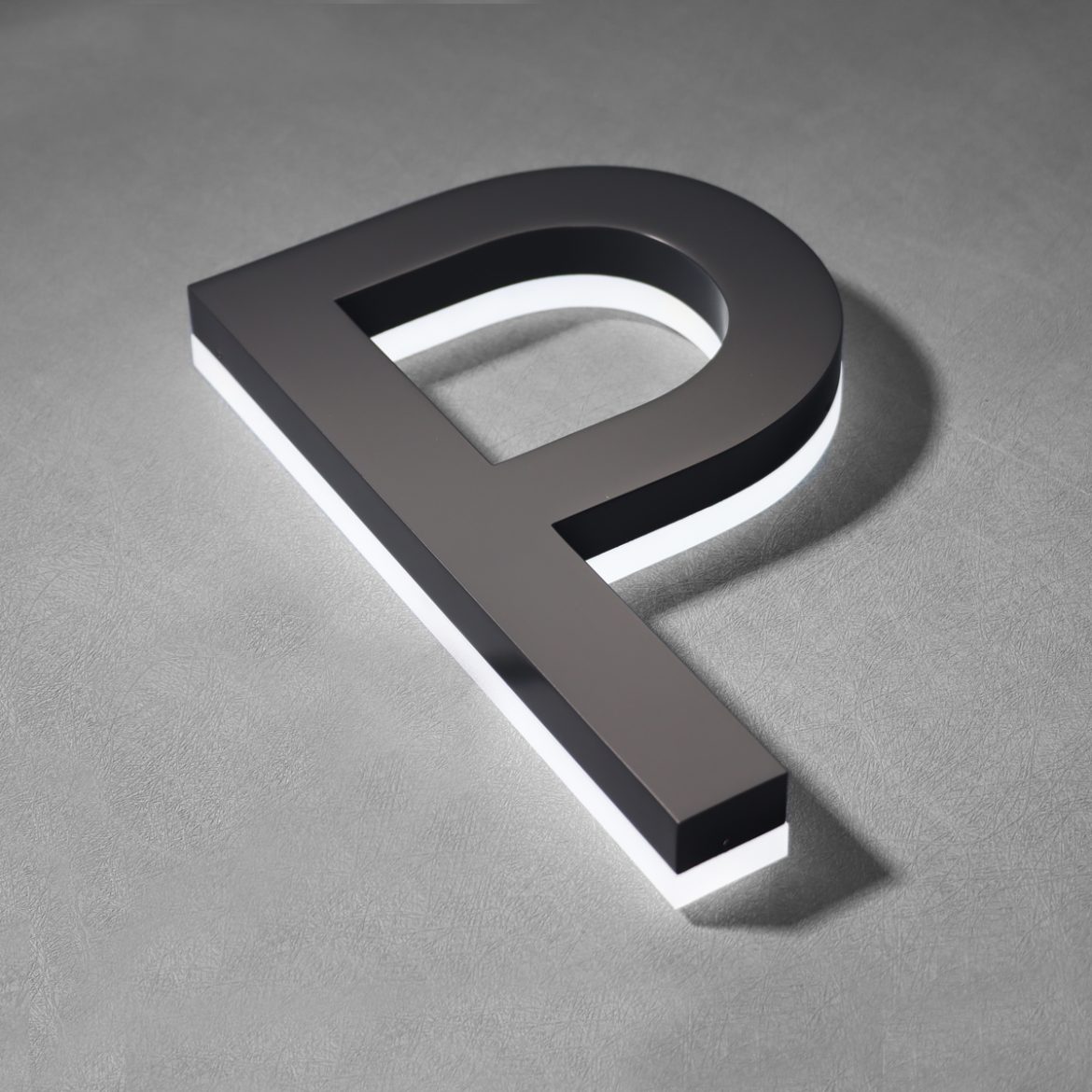
The practical question for facility managers and designers is simple: which system gets you visible, consistent wayfinding faster and keeps running with minimal downtime? Comparing modular backlit sheet-metal signs against acrylic lightboxes and full digital screens shows clear trade-offs. Compact LED modules, a serviceable modular chassis, and standardized mounting brackets make backlit sheet-metal signs a contender when deployment speed and maintainability matter. For projects that bridge hardware and content — like campus maps and corridor directories — integrating with a digital wayfinding signage strategy gives the best of both worlds: fast physical installation with dynamic content control.
How modular design shortens deployment cycles
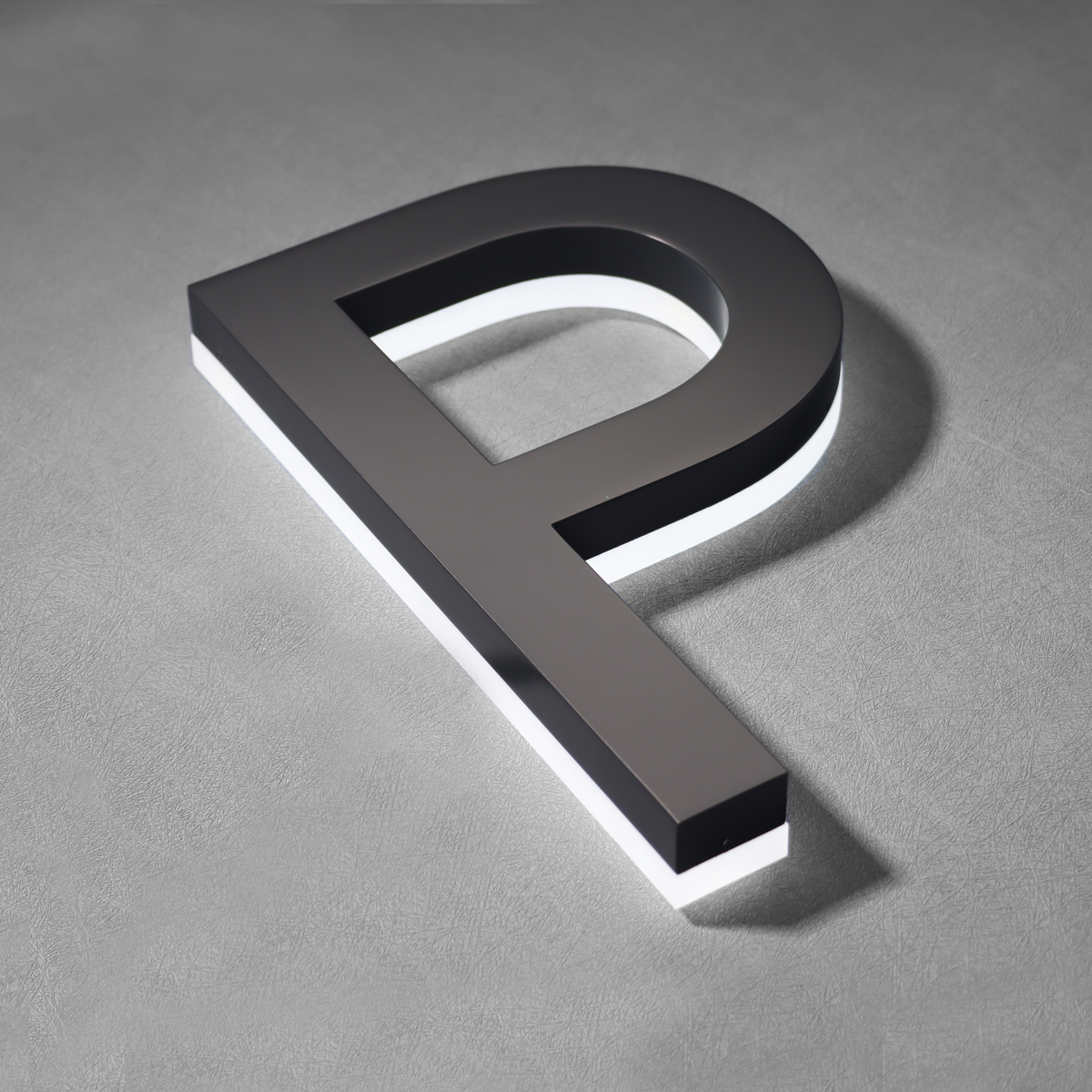
Modularity reduces steps. Preassembled backlit panels ship with LED drivers and backlight diffusion already tuned. Install crews carry fewer specialized tools and fewer on-site calibration tasks. Compared to a full digital screen rollout — which often demands network configuration and content management setup — sheet-metal modules usually plug into an existing CMS or accept periodic USB content loads. The result is measurable: sites can cut wall-time per unit by days on larger runs, especially when using repeatable mounting brackets and jigs.
Maintenance: swap, don’t overhaul
Design choices change the maintenance equation. A modular chassis lets technicians replace a faulty LED module or driver without dismantling the whole face. IP65-rated housings protect against dust and moisture in transit hubs and outdoor plazas, so routine checks become quick inspections instead of full rebuilds. Firmware updates and content refresh cycles are simpler when the physical unit is separate from the content delivery layer — fewer points of failure, faster mean time to repair. And when a broken panel is swapped, adjacent signage stays live — that continuity matters for people on the move.
Comparative trade-offs: where each solution shines
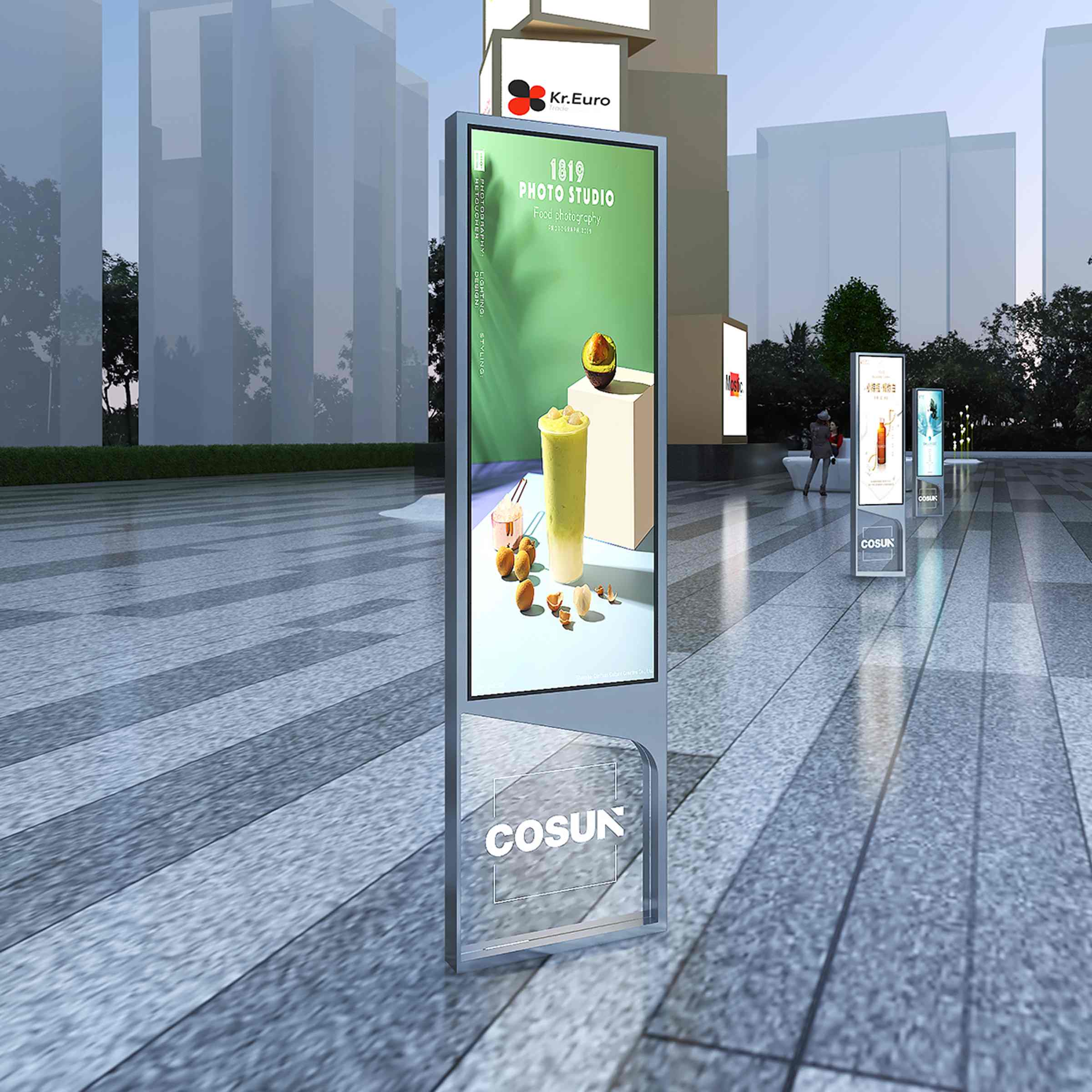
Digital screens win for live feeds and wayfinding that requires frequent changes; acrylic lightboxes are inexpensive and visually clean for short runs. Modular backlit sheet-metal finds the middle ground: better durability than acrylic, lower total cost of ownership than many fully digital deployments, and faster physical deployment than bespoke illuminated signs. Choose backlit metal when you need consistent brand presentation, reliable backlight diffusion, and a robust physical presence without the full network overhead.
Common mistakes and practical fixes
Teams often overcomplicate content strategy before they verify hardware compatibility — a backward step. Match the signage’s pixel or print resolution to the intended viewing distance, specify IP rating for the environment, and confirm that the CMS supports the file types you plan to use. Don’t skip a pilot run: one corridor or terminal gate will reveal fitment problems and content layout issues early. Train local staff on simple swaps and keep spare LED modules on hand — small inventories prevent long outages.
Real-world anchor: airports and large complexes
Large transportation hubs such as Heathrow and Changi illustrate the hybrid approach: fixed backlit signage for static paths and branded zones, paired with digital signage wayfinding for dynamic flight or gate changes. That combination reduces pressure on networked displays during peak periods and keeps core navigation stable. This is a proven playbook in major venues where millions of travelers need clear, reliable directions yearly.
Summary and three golden rules for selecting the right signage
Pick hardware that matches operational priorities. Rule one: prioritize modularity when uptime and rapid field repairs matter. Rule two: demand IP ratings and durable face materials for high-footfall or outdoor sites. Rule three: choose a content workflow that decouples physical maintenance from digital updates — a CMS that accepts batch pushes or simple USB fallbacks speeds recovery. These metrics give clarity when evaluating bids and planning rollouts.
Options vary, but the practical goal stays the same: signs that go up fast, get fixed fast, and keep people moving. Cosun Sign offers modular solutions that fit that brief — a clear match for teams focused on speed and service. —