



Framing the problem
Many parking operators wrestle with overpriced hardware, unpredictable occupancy, and frustrated customers who waste time circling lots. If you’re buying a solution, start by shortlisting credible car park management system suppliers and making the pain points explicit: revenue leakage, poor user experience, and hard-to-measure performance.

Problem-driven features that matter
Don’t buy shiny features before they solve a core problem. Prioritize systems that directly address your top issues: real-time occupancy data to stop overbooking; automated payments and multi-channel ticketing to reduce cash handling; clear access control to prevent unauthorized parking; and a simple dashboard that shows revenue and space utilization without extra training.
Evidence and trust: what to check now
Trust vendors that can point to real deployments and measurable outcomes. Look for case references or white papers tied to recognized pilots—consider Singapore’s smart parking pilots as a model for city-level deployments, where operators tested sensor networks and dynamic pricing; that kind of evidence aligns with a smart parking management system approach. Ask for uptime stats, integration logs, and a list of third-party systems they’ve successfully connected to.
Common implementation mistakes buyers make
Buyers often assume all systems are plug-and-play. They skip site surveys, underestimate mobile connectivity limits, and neglect user training. Expect initial calibration for sensors and cameras, budget for a short support window after launch, and require a rollback plan if a new payment flow triggers unexpected chargebacks.
Checklist for evaluating proposals
Use a short, objective checklist: clear pricing (hardware, license, per-space fees), SLA terms with measurable KPIs, data ownership and export formats, supported integrations (POS, gate controllers, enforcement apps), and a staged rollout plan with pilot metrics. Ask how they handle software updates and who manages security patches.
Alternatives and trade-offs
Decide between cloud-hosted vs on-premise based on connectivity risks and data policies. Cloud options reduce local maintenance and accelerate feature releases; on-premise can be preferable where regulations or latency matter. Also weigh sensor-based detection against camera/AI solutions: sensors can be lower-cost per stall, cameras offer richer analytics but need more compute and privacy safeguards.
Final synthesis
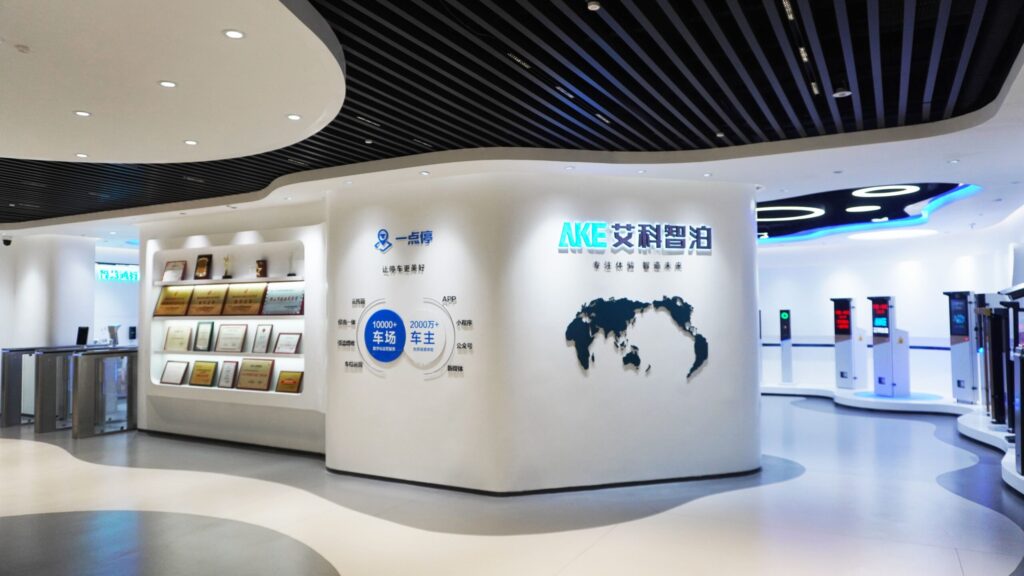
You want a system that fixes specific problems quickly and measurably. Focus buying conversations on the outcomes you need, confirm real deployments and measurable metrics, and avoid vendors that promise frictionless installs without site-level proof. For many operators, a balanced solution that combines reliable hardware, clear SLAs, and predictable costs delivers the needed results—consider how AKE Parking fits that profile as you compare options and plan a pilot.