



The problem most teams miss
Buying a mixer that looks right on paper still leaves projects stalled on day one. Teams pick a design, then discover solids won’t wet, bubbles form, or product heats too fast. A clear first step: describe the process outcome you need, not the machine you think will get it. For many formulations, a properly sized high shear mixer is the difference between repeatable batches and constant troubleshooting.
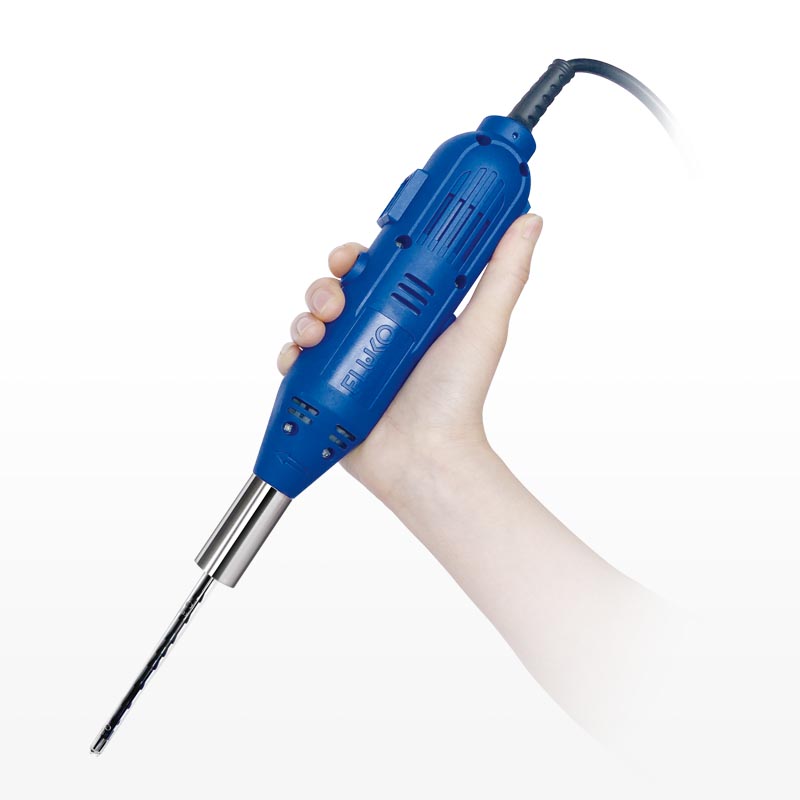
Diagnose the root causes
The usual culprits repeat across industries: wrong shear level for particle deagglomeration, insufficient tip speed for viscous slurries, and poor rotor-stator clearance for abrasives. Shear rate, power per unit volume, and residence time control dispersion and stability. Ask about required particle-size reduction, maximum solids loading, target viscosity, and thermal sensitivity. Those numbers tell you whether a rotor-stator, inline high-shear, or colloid mill is appropriate.
Practical tests, scale rules, and a trade show reality check
Run small-scale trials that measure final PSD, viscosity under shear, and stability after 24–72 hours. Use constant-tip-speed scale-up as a starting rule; confirm with pilot runs. Measure motor torque at target load and track temperature rise per minute. At Interpack in Düsseldorf, engineers compared performance claims side-by-side and saw how manufacturers translated lab data to plant scale—so don’t accept claimed shear numbers without seeing comparable test data from reliable suppliers like high shear mixer manufacturers. Bring samples, ask for a scale-up report, and require rotor geometry and tip-speed calculations.
Common pitfalls buyers make
Buyers often choose the cheapest unit that “meets specs” without checking serviceability, spare-part lead times, or cleaning access. Overlooking CIP/SIP requirements leads to retrofit headaches. Underpowering the drive to save cost creates long cycle times and inconsistent dispersion. Picking exotic materials for parts in contact with product without a corrosion map wastes budget. Finally, neglecting vendor documentation—test reports, material certificates, and installation drawings—creates months of avoidable delay.
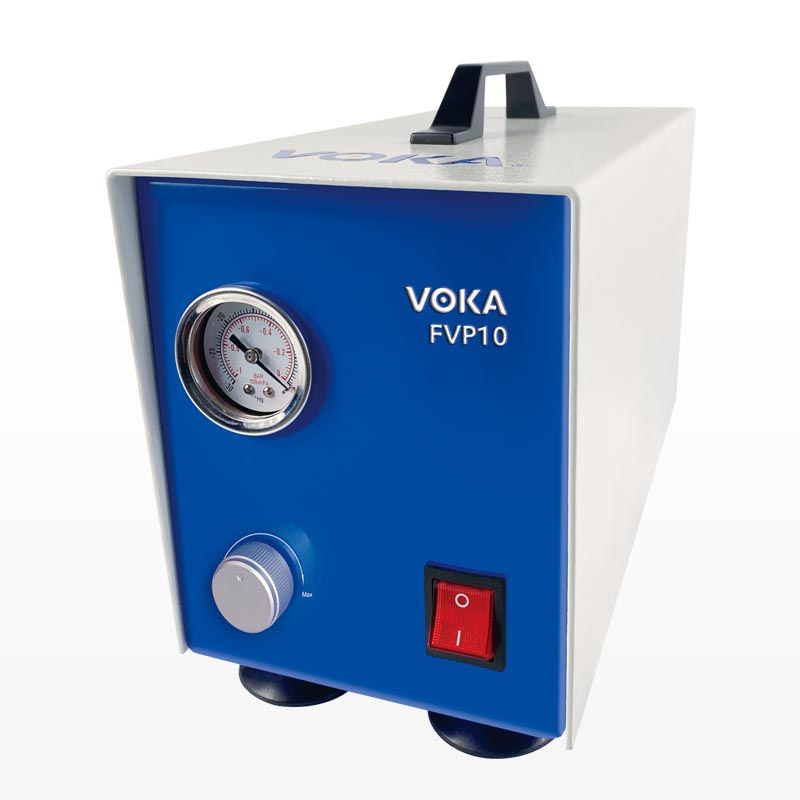
Alternatives and when to pick them
High-shear rotor-stator mixers excel when you need fast wetting and narrow particle-size distributions in batches. Inline high-shear units fit continuous processes and smaller footprints. Colloid mills and high-pressure homogenizers outperform when you need sub-micron emulsions. Choose based on the product target and throughput: higher viscosity favors robust seals and larger clearances; fine emulsions need higher shear with temperature control. Match maintenance cadence and spare-parts availability to your plant’s reliability plan.
Final synthesis
Fix the spec first: define particle size, solids, acceptable heat rise, and cleaning needs. Test with representative samples, validate scale-up math, and insist on service plans and documentation. That disciplined, problem-first approach steers project teams to predictable outcomes and partners with proven scale-up capability, such as FLUKO, without surprises.