



The problem that won’t wait
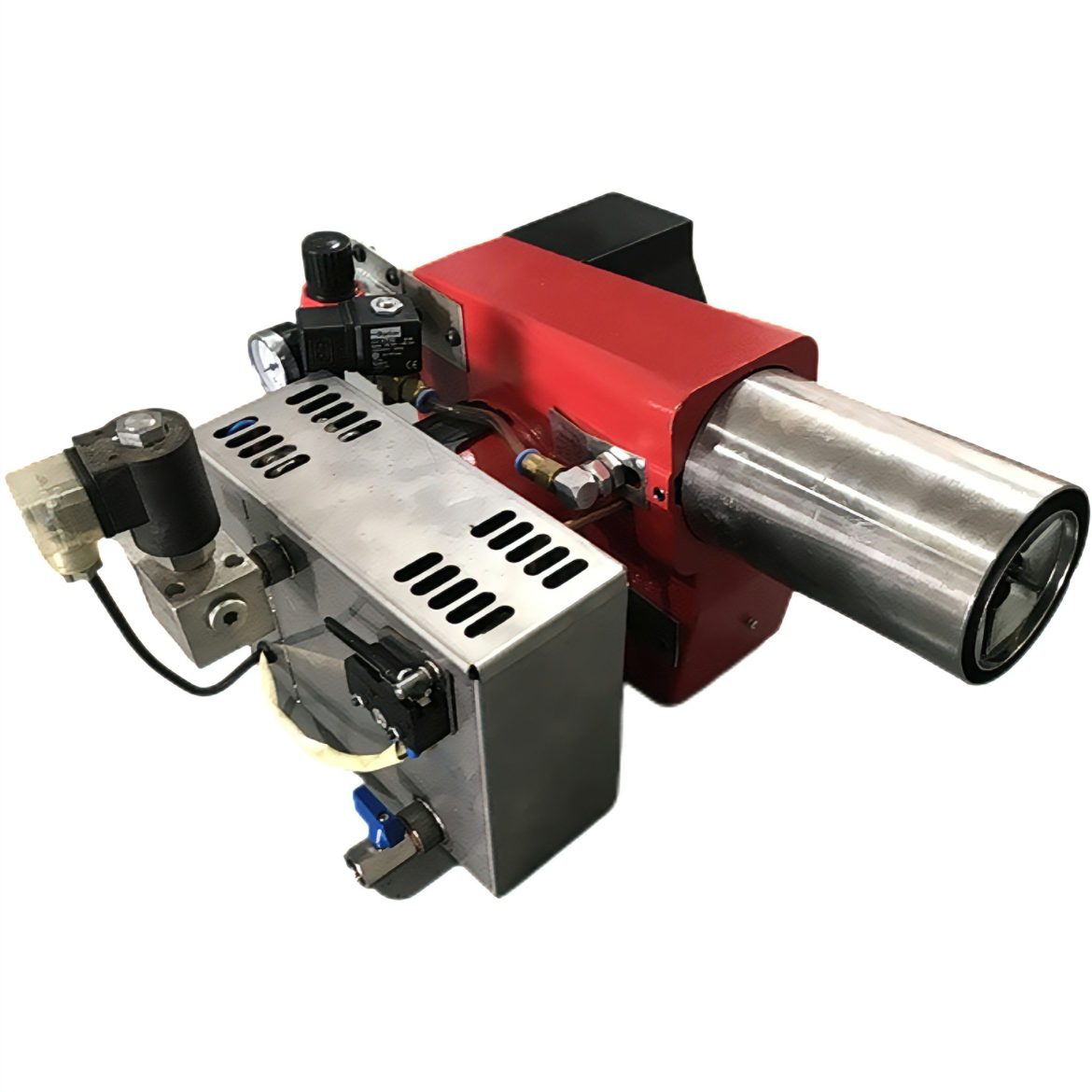
Plants and workshops try to run clean and calm, but noise, smoke, and unpredictable maintenance keep production stalled. This is not theory—this is what people complain about every week on the floor. When managers specify a new heater, they often pick the wrong kit for their site. A common fix is to buy an industrial waste oil burner because it promises savings. Trouble is, without matching controls, feed systems, and daily routines, the burner becomes a headache instead of a solution.
Why small mistakes become big breakdowns
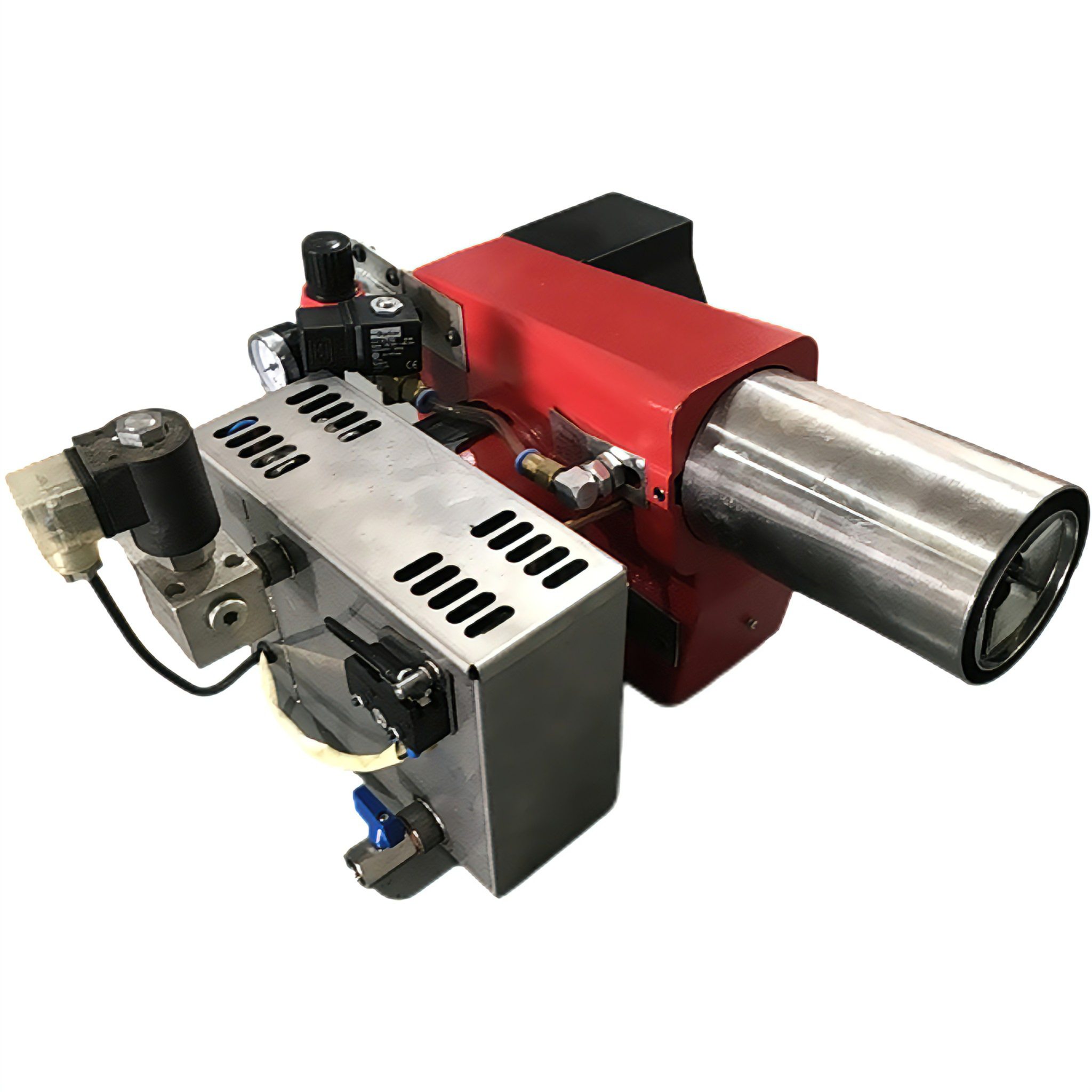
Wrong combustion tuning, poor filtration, and erratic fuel quality are the usual culprits. Parts that vibrate loose. Sensors that foul. Operators who don’t trust the system and override safeties. These are not mysterious failures; they are predictable. Fix one and another pops up. The pattern repeats because teams treat symptoms rather than the whole operating environment.
Real-world anchor: what the field shows
At WasteExpo, professionals compared notes on automatic systems and the clear message stood out: sites with proper feed automation, scheduled maintenance, and trained operators run longer between interventions. That kind of practical evidence applies whether you are in a municipal garage or a mid-size factory. A well-configured automatic waste oil burner reduces manual handling, cuts soot buildup, and steadies combustion—when the supporting systems and procedures are right.
Practical fixes that actually work
Start with three checks: fuel cleanliness, controlled feed rate, and accessible diagnostics. Fit pre-filtration to remove water and metal particles. Use a metering pump or reliable gravity-fed head with a level sensor—do not rely on a loosely taped hose. Install simple flame and draft sensors that operators can read without special tools. Schedule short daily checks and one focused maintenance window each month. Train one person to own the burner so responsibility is clear.
Common pitfalls and how to avoid them
Don’t skip the basics. Avoid oversized burners for the job; they short-cycle and foul. Don’t assume fuel mix is constant—test it. Don’t hide controls deep in the boiler room where no one bothers to look. Ignore manufacturer instructions and you’ll get warranty trouble. Replace flexible fuel lines on a replacement schedule, not only after they leak. These are small actions that stop repeat failures.
Alternatives and trade-offs
If noise is the main worry, compare insulated cabinet designs versus remote mounting. If emissions matter, add a better combustion controller rather than chase aftermarket filters alone. Electrical heating solves some control problems but costs more to run. Each choice costs time, money, or training; pick the option that matches your operating tempo and budget, not a sales pitch.
Where this logic leads
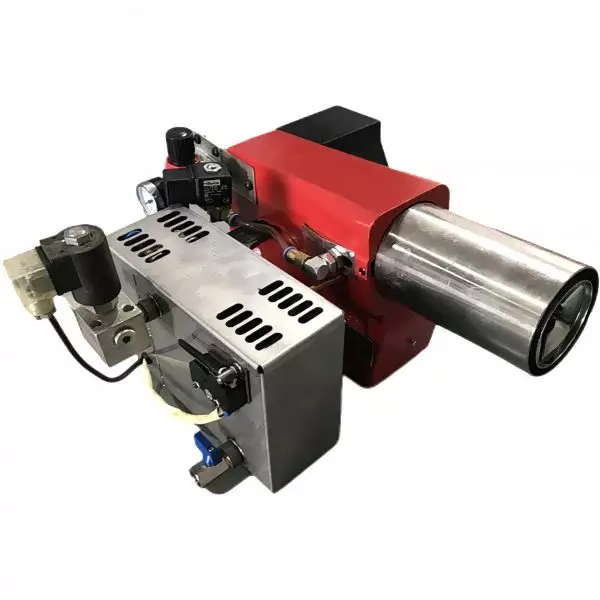
Solve the problem by matching equipment to operations, training one owner, and putting simple diagnostics in reach. When these pieces click, the local quiet oil burner becomes steady rather than a drama. That is the practical difference you find when teams apply real procedures and vetted equipment, advice that is visible from field discussions to vendor specs, and what organizations like Career Burners build into their product and service designs so systems keep running and people can focus on the job.