



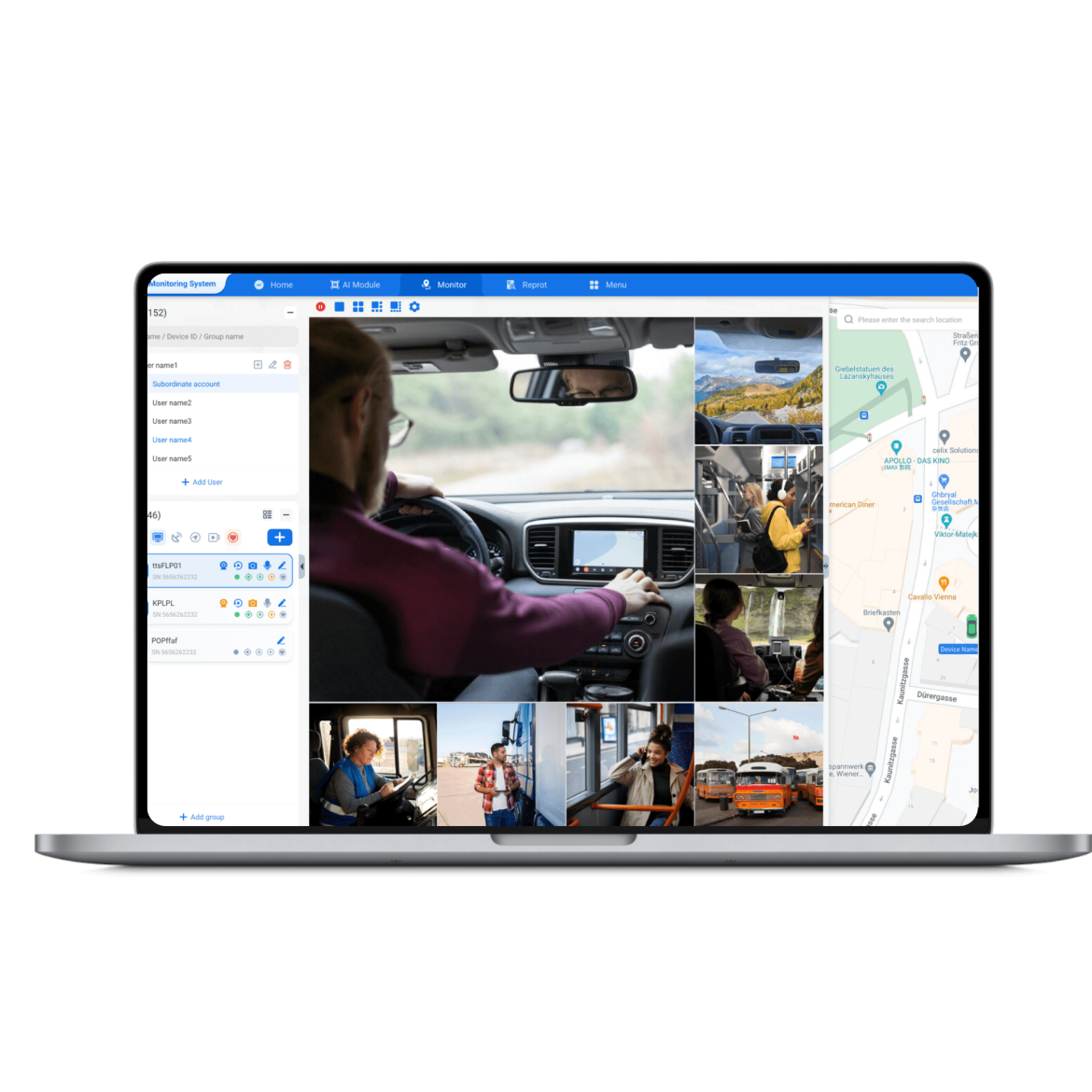
Quick opening: who this for and what to expect
You manage vans or trucks and want simple answers. This guide centers on what matters to you: cost, uptime, data you can trust, and how device fits to your daily work. If you plan to test or deploy, consider a proven fleet management solution from the start so trials reflect real use. I wrote this from hands-on advising fleets, small and medium, under heavy city traffic like Bangkok.
What does a GPS fleet tracker actually give me?
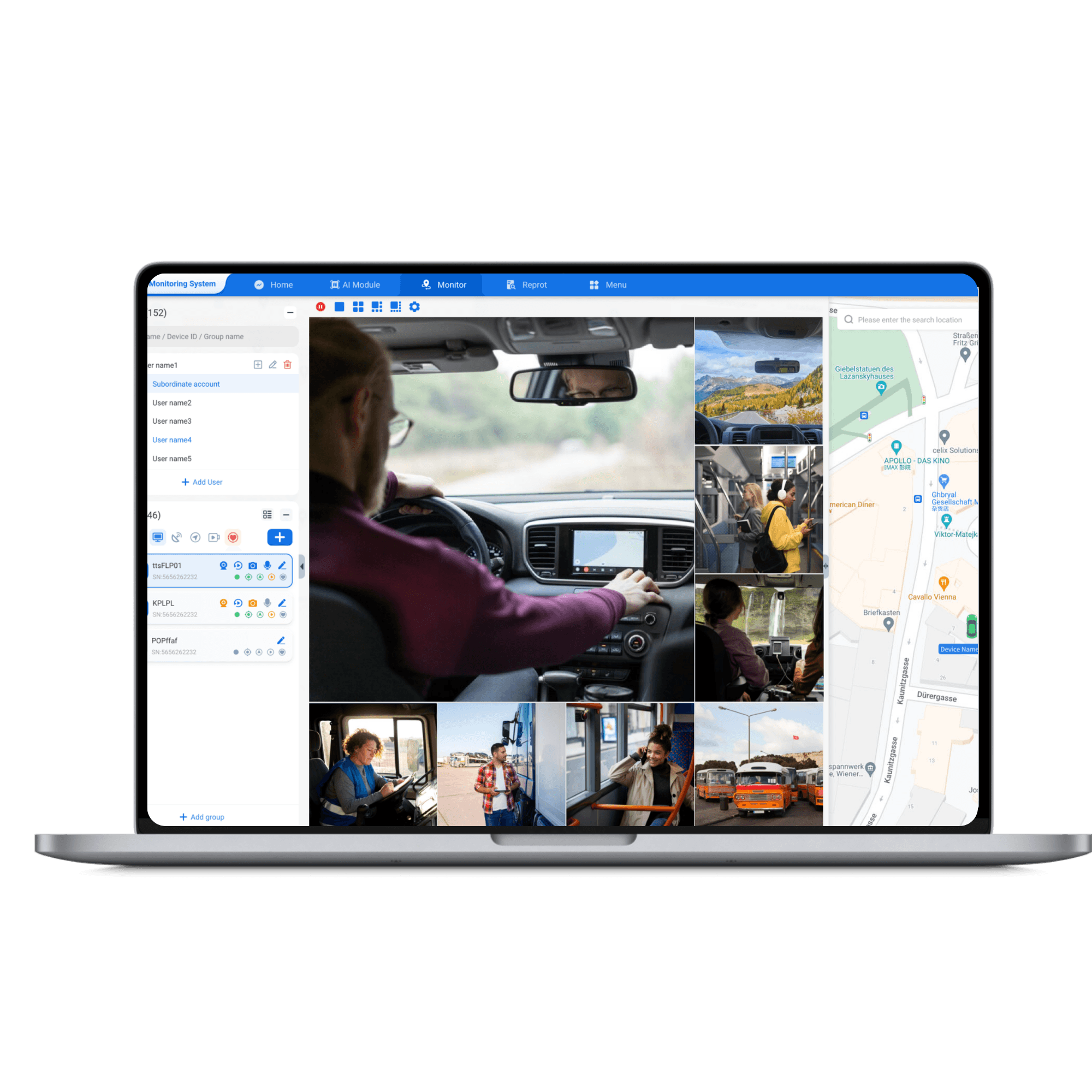
Short answer: location, movement history, and alerts. Longer: you get live position, trip logs, speed events, and status like ignition on/off. Good systems also show fuel or battery signals and driver ID. Focus on actionable things you will use daily — not fancy charts you ignore.
How to judge accuracy and reliability?
Buyers look at two things: signal quality and uptime. Ask vendor for sample logs from real drives. Watch for gaps during tunnels, tall buildings, or heavy rain. Check these points:- time between position updates (reporting interval);- how device handles poor signal (stores data, then uploads);- device power design (hardwired vs. battery life).Devices that buffer and forward data when connection returns are safer for real work.

Will tracker integrate with my dispatch or accounting?
Most modern trackers offer APIs or standard data export. Ask for documentation and an API test account. Confirm these:- event types the API sends (location, geofence, alerts);- format (JSON, CSV);- rate limits and authentication method.Integration is not magic. You need fields mapping and short pilot to ensure timestamps and IDs match your dispatch records.
Data storage, privacy, and who owns the records?
Clear rules matter. Ask vendor where data hosted and how long logs kept. Confirm you can export full trip history. For compliance, document access controls: who in your company can see live locations and archived logs. Keep driver privacy in mind; set sensible retention policy.
Common buyer mistakes to avoid
Buyers repeat same errors. Avoid these:- picking lowest cost device without testing real routes;- assuming “real-time” means every second — check update interval;- skipping firmware and security questions;- not planning for SIM or roaming when vehicles cross borders.Test a subset of vehicles on your busiest routes before full roll-out.
How to compare vendors quickly
Use a short checklist in trials. Score items you care most:- update interval and data buffering;- physical device durability and installation method;- API access and integration support;- alert customization and rule engine;- local technical support and firmware update process.Compare side-by-side using same route and driver for fair view. Also include total recurring cost: data, SIM, platform fees.
When hardware vs. mobile-app tracking?
Hardware wins if you need tamper resistance, engine data, or long-term reliability. App tracking ok for simple check-ins or small courier teams. Consider hybrid: device for heavy vehicles, app for extra temporary workers.
Small pilot plan you can run in one week
Do this quick test:- select 3 vehicles and busiest route;- run devices or app for 7 days;- collect logs and compare against driver reports;- test alerts (late arrival, route deviation);- review export and API sample.Pilot shows real behavior. Fix rules and thresholds from that data before scaling.
Final thought — practical value, not hype
Choose tools that answer your daily questions: where is vehicle now, did it stop where it should, who drove, and are trips logged correctly. Good choice reduces firefights and saves time. For straightforward, reliable gps fleet management solutions that match this approach, look for vendors who share clear logs and support practical pilots. My advice comes from working with fleet teams on busy city routes; focus on what you will use every day, and the system will pay back quickly. For many buyers, BSJ fits that plain, useful promise without extra smoke.