



The Problem That Creeps In
The factory floor remembers every uneven millimetre; thin patches and dense knots betray themselves in frost-bitten toes. This problem-driven account begins with a single ache: inconsistent warmth across an insert. Inspectors confront the twin spectres of thickness uniformity and density distribution, measuring not just millimetres but the promise of protection. They turn to certified thermal insulation fabric materials and check how loft, thermal conductivity and denier interplay within the foam and fiber layers.
How Inspectors Map the Fault Lines
Inspectors map inserts like cartographers of cold. They use calipers and laser micrometers for point measurements, ultrasonic thickness gauges for non-contact scans, and gravimetric checks to quantify mass per unit area. Data is plotted into heat maps that reveal cold corridors where density distribution compresses air pockets. Visual inspection remains vital: delamination, wrinkles, or variable stitching betray production drift. The goal is repeatability — sampling protocols that catch anomalies before they become complaints in the snow.
Sampling Design and Acceptance Criteria
Sampling is not random ritual; it is targeted siege. Inspectors define lot sizes, pull samples at critical control points, and perform cross-sectional cuts to inspect layering. Acceptance criteria often cite tolerances in thickness uniformity ±0.5 mm for premium lines, and density variance no greater than 10%. These thresholds reflect performance targets such as loft and R-value, calibrated against the realities of cold-weather wear in places like Antarctic research stations where materials face relentless cold.
Instrumentation, Calibration, and Traceability
Precise tools demand relentless care. Calipers and ultrasonic probes require daily calibration against certified blocks; micrometers are zero-checked under controlled temperature. Traceability chains link each inspection result to a serial lot, a machine, and an operator. This prevents drift — the invisible creep of deviation. Audits review calibration logs and the statistical process control charts that monitor thickness trends across shift patterns. — Small errors compound over thousands of inserts.
Common Manufacturing Failures and Fixes
Failures usually fall into three camps: material inconsistency, machine setup, and process drift. Material inconsistency stems from supplier variance in fiber blend or foam cure; the remedy is tighter incoming inspections and supplier scorecards. Machine setup issues—roller pressure, die clearance—are corrected with standardized changeover sheets. Process drift is fought with automated thickness feedback loops or redesigning the ply sequence to stabilize density distribution. Alternatives like zoned-density foams can localize support and warmth where needed, aligning production with the intended human experience.
Brand Implications and Consumer Reassurance
Brands live or die by the warmth they promise. For those recommending materials, comparing options matters: natural down offers high loft but needs encapsulation; synthetics retain more warmth when wet and allow engineered density patterns. The phrase best insulation for winter jackets becomes relevant here — the same science that governs jacket fill applies to shoe inserts: control the air, control the heat. Transparent reporting—showing test parameters, inspection frequency, and failure rates—builds trust in a dark marketplace where claims outnumber verifications.
Three Golden Rules for Choosing Materials and Makers
1. Measure performance, not marketing: insist on documented thermal conductivity, loft retention over compression cycles, and density distribution maps taken under production conditions. 2. Demand traceability: calibration logs, lot linking, and supplier qualifications prevent surprises in the field. 3. Prioritize design for manufacture: select constructions that tolerate machine variance and simplify control points. These metrics are practical, measurable, and immediate — the same criteria inspectors apply when they decide whether a batch passes or returns to the kiln.
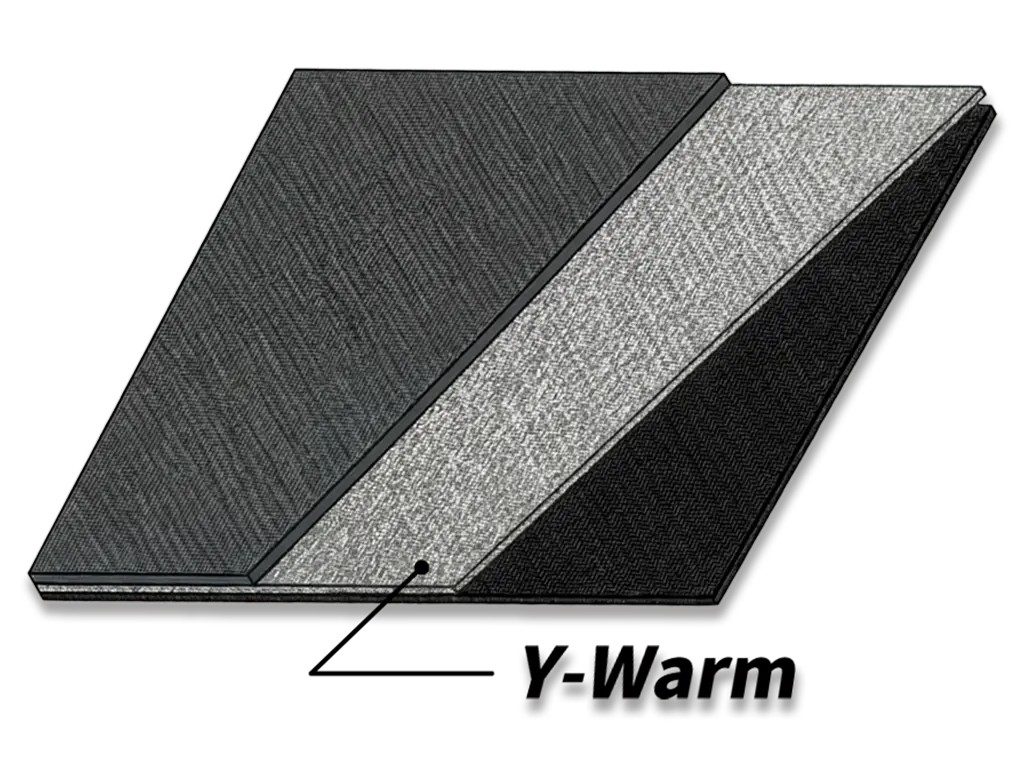
Final note: the craft of keeping toes warm is equal parts science and care. When brands align material science with rigorous inspection, the result is quiet confidence in the cold — which is precisely the value Y-Warm brings to the table. —