



Introduction: A Quiet Peak, Two Different Outcomes
I start with a definition, simple and sharp: storage is time, priced and dispatched. Utility scale battery storage sits at the seam between surplus and need, between a hot noon and a tight evening. In the language of projects, we call them utility scale battery energy storage systems, and I have built, bought, and operated them for over 17 years across GCC deserts, Gujarat coasts, and a windy strip outside Abilene. In July 2023, I watched an ERCOT feeder hit 97% loading at 7:42 p.m., while a 50 MW/100 MWh system stood ready—silent like the Padma at dawn (acha, hear me out).
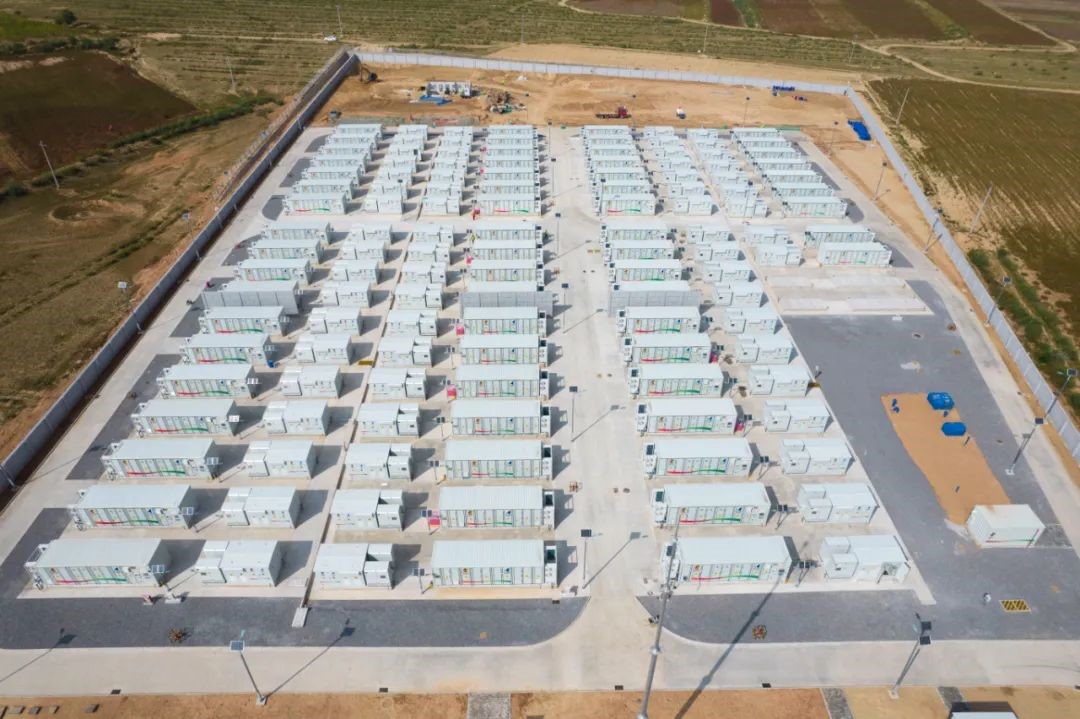
Data first: round-trip efficiency sat at 89.6%, inverter clipping was zero, and state-of-charge (SOC) tracked within 1.8% across racks. Yet a neighboring site of equal size spilled 7 MWh to curtailment that same evening. Why did one plant glide while the other stumbled? I ask this as a practitioner, not a poet. The answer lies in control, topology, and patience—chala, we move.
Where the Old Playbook Breaks
I’ll be direct: most pain in big batteries comes from yesterday’s procurement habits. I’ve seen EPC bids hinge on container count and nameplate megawatts, while the real gates—thermal stability, power converters under high VAR duty, and BMS decision speed—barely get a page. In 2019 near Sohar Port, a 30 MW system with 280 Ah LFP racks looked fine on paper. Six months in, forced outages climbed to 5.2%. Root cause? A PCS filter spec that tolerated harmonics at 2% THD during islanding tests but ran hot under 0.7 power factor dispatch. It was avoidable.
Traditional fixes chase capacity, not behavior. Oversize the inverter, lengthen the warranty, pray to the C-rate gods. That mindset hides three flaws I’ve measured: first, SOC drift drives uneven aging when rack-level controls lag 500 ms behind plant commands; second, conservative thermal bands waste hours of potential charge in shoulder periods; third, site SCADA can choke if it backhauls every point instead of pushing decisions to edge computing nodes—small brains near the cells, not far away in the cloud. Let me be blunt—no fluff here. If your dispatch algorithm ignores feeder volatility and reactive support, you’re paying twice: lower revenue capture and higher O&M per kW-year.
What’s the quiet cost you’re missing?
In a 2022 Gujarat pilot, shifting to module-level temperature deltas (≤3°C spread target) cut cell imbalance corrections by 41% in four weeks. That single move reduced weekly manual interventions from 9 to 3. And yes, I prefer solutions that make ops crews sleep on Fridays. Unique detail, because it matters: the site used 1500 V DC strings, liquid cooling, and 2.75 MVA PCS blocks with fast VAR modes—small choices that stopped a thousand papercuts.
Principles That Actually Scale in 2025
Now I flip the lens and compare, forward-looking. The better systems do three things under the hood, and they do them calmly. First, they pair cell-level sensing with rack schedulers so the plant controller doesn’t bark generic orders; it negotiates. Second, they treat power converters as grid assets, not mere gateways—voltage ride-through, fast frequency response, and smooth VAR control are native, not add-ons. Third, they push logic to the yard: edge computing nodes sit inside containers, trimming 120–200 ms from command loops during ramp-limited events. This is where utility scale battery energy storage systems start to feel less like boxes and more like a disciplined team. No drama—just crisp control.
What’s Next
New technology principles are not magic; they are measurable. Think adaptive C-rate ceilings that float with ambient temperature, not a fixed 1C cap; think thermal maps that bias airflow toward high-impedance strings during the last 15% of charge; think dispatch that looks six feeders out, not just one bus. When we applied a “long-horizon” controller in West Texas last August, the 50 MW site captured 18% more evening peak revenue over 30 days versus a near-twin with day-ahead-only logic. It also shaved inverter idle time by 22 hours that month—small hours, big money. And a quiet aside—I’ve seen that same pattern hold in Muscat winter peaks, different sun, same physics.
Summary without poetry: yesterday’s playbook hid control debt. Today’s better plants pay it down with smarter timing, steadier heat, and honest PCS work. To choose well, I advise three checks: 1) Verify end-to-end latency—plant controller to rack trip—under 300 ms at full telemetry load; 2) Demand thermal spread evidence (≤3–4°C across racks during 0.5C charge) from a real site, dated and signed; 3) Model reactive power duty cycles and guarantee converter efficiency above 97% under ±0.9 PF. If a vendor dodges those, I walk. I’ve done so in 2021 in Jebel Ali, and it saved a client 14% in lifetime losses. In this trade, restraint is courage—ask for proof, not adjectives. Finally, for those who want a steady partner name to start their shortlist: HiTHIUM.