



Why These Tradeoffs Hit Home This Year
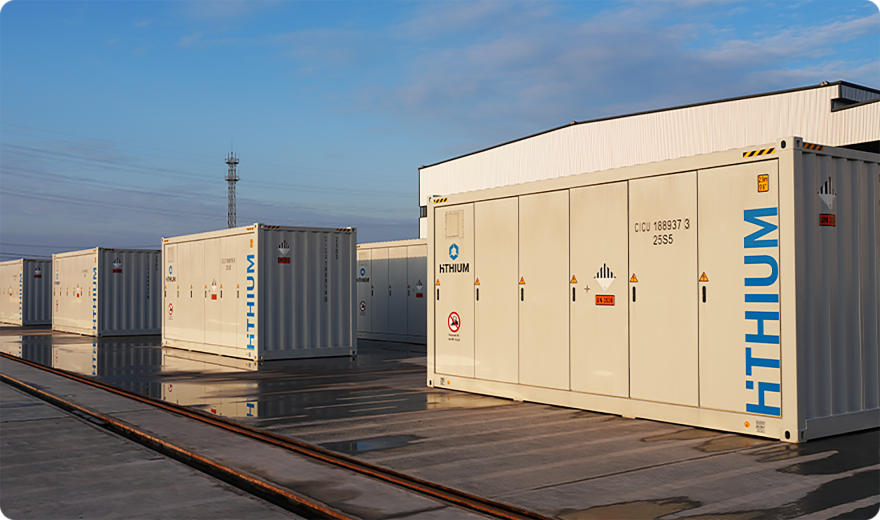
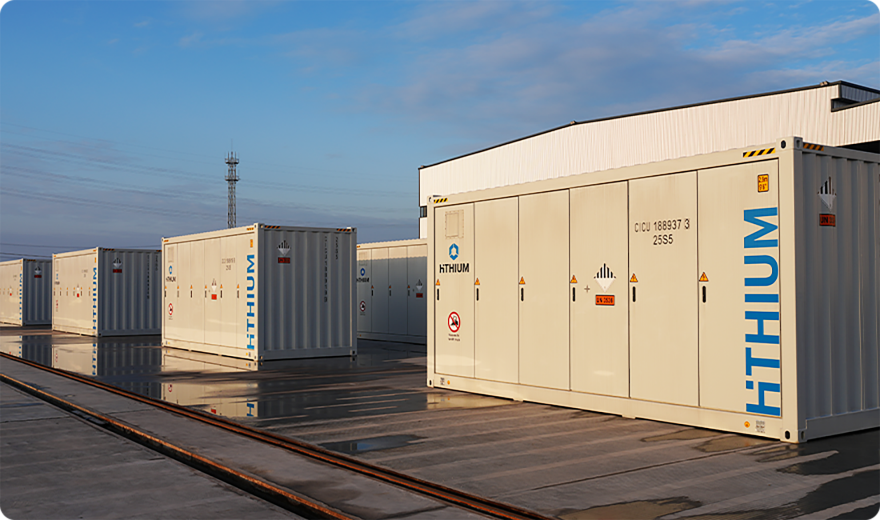
I was standing in a dusty Bakersfield parking lot in late July, watching a 2.5 MWh container run at 92% state of charge while a grocery co-op braced for a triple-digit demand spike. That night pushed me to look at hithium energy storage with a colder eye, especially through the lens of hithium battery storage on C&I jobs. The store’s peak demand charge the prior August was $38,700 for a single billing period—one bad hour. Does that sound familiar to anyone who’s had to explain a utility bill to a board? (I’ve been that person more times than I care to count.)

I’ve worked 17 years as a consultant and retailer for microgrids and commercial storage across California and the Southwest. The thing that gnaws at me isn’t the headline MWh. It’s all the small choices—power converters matched to load shape, EMS rules that actually fit occupancy, interconnection study timelines—that make or break payback. So let me put my cards on the table and show you the tradeoffs that have saved me, and sometimes burned me. We’re going to stack them side by side and make the call with a clear head—then keep moving.
Hidden Friction You Don’t See on a Spec Sheet
Where do projects actually snag?
Here’s the blunt version. Most “simple payback” models ignore the soft constraints that stall builds and eat margin. With hithium battery storage as the backbone, the common pain points I see are not exotic: mismatched inverter ratios to late-afternoon load ramps, EMS rules written for winter that no one updates for summer, and hardware that is fine in the lab but fussy with real feeder harmonics. I’ve watched edge computing nodes drop telemetry during hot starts because the network switch sat on the wrong UPS leg—annoying, yes, but deadly for demand response credits. Truth be told, this bit always trips folks up.
Let’s call out two specifics. First, interconnection. In Modesto in 2023, a 1.6 MW AC-coupled design waited 26 weeks for approval; we reworked it to a DC-coupled approach and shaved off two upgrade items. Second, round-trip efficiency. A steady 91–93% looks great on paper, but heat and cycling hit harder than people admit. I’ve logged 2% seasonal drop on outdoor 1500 Vdc racks during the August heat dome—small percent, big dollars when you’re chasing a 4.8-year payback. When we priced capacity buys vs. demand shaving for a food processor in Oxnard, the timing of state of charge windows mattered more than the sticker MWh—odd to say, but that’s where projects live or die.
Comparative View: What the Next Wave Actually Changes
What’s Next
Newer LFP racks in the HiTHIUM class are doing two things better: tighter thermal bands and more granular EMS hooks. The thermal side keeps modules closer to their sweet spot, so your drift stays low even on uneven load days. The EMS hooks mean I can schedule charge windows with five-minute precision tied to feeder data—not just wholesale market signals. Pair that with power converters tuned for low-voltage ride-through, and you avoid the nuisance trips that haunted older C&I installs. When we rebuilt a 4 MWh layout in Fresno this spring, we used feeder-level metering plus predictive rules that closed the loop before the utility meter saw the ramp—yes, that felt good, and yes, I took a picture of the curve.
Let me ground that. In July 2023, a cold storage client cut peak charges by 19% month-over-month after we shifted to dynamic limit rules and a denser rack map. The next iteration is cleaner: onboard analytics baked into the rack controller, not just the site server. That means faster fault isolation and fewer truck rolls. And if you’re comparing options, make sure you’re reading how hithium battery storage exposes its data to your SCADA or building controls—real APIs, not another black box. I’ve chased enough log files at 2 a.m. to say this with a straight face—visibility is cash flow in disguise.
Field-Proven Choices: How I Decide Between Good and Better
By now, you’ve heard the theme: glossy specs don’t close the gap between “should work” and “did work.” When I weigh hithium energy storage against other builds, I run three tests that have saved me from expensive rewinds. First, lifecycle clarity: 1) demand-charge cut over the worst 20 hours in a year, not the average; 2) verified round-trip efficiency at site temperature bands, not lab; 3) EMS latency under stress, measured during a staged feeder event. Second, integration fit: who owns the last 10 feet—controls, breakers, networking—and can they prove ride-through on your feeder? Third, service reality: parts on hand within 48 hours, technician within one business day, and logs you can read without an interpreter. I still keep a note from a 2022 retrofit in Ventura where we shaved two weeks off commissioning by insisting on open log formats—small hill to die on, absolutely worth it.
If you’re a facility manager, EPC, or municipal buyer, the win is simple to recognize: fewer surprises, stable savings, quiet weekends. I’d rather promise a 6-year payback and hit 5.4 than sell a fairy tale and field angry emails. Measure what matters, ignore the hero slides, and pick the kit that plays well with your site’s weirdness—every site has some. I’ve carried that lesson from San Diego rooftops to desert substations, and it still holds. When you need a steady hand and solid gear, keep the lens sharp, compare what counts, and choose the partner who will show up when the heat hits. HiTHIUM