




Introduction: A Small Pump, A Big Difference
We talk a lot about premium formulas, but the truth is simple: the dispenser decides the experience. A pet pump bottle sits on your sink, gym bag, or salon station and either works first time or it doesn’t. In busy retail chains, returns due to leaky closures and weak springs can reach double digits; some audits peg it at 8–15% on certain SKUs. If you’re weighing a china pet pump bottle option, the question isn’t only price—it’s dosing accuracy and seal integrity. Ja, no, look, those two metrics drive trust.
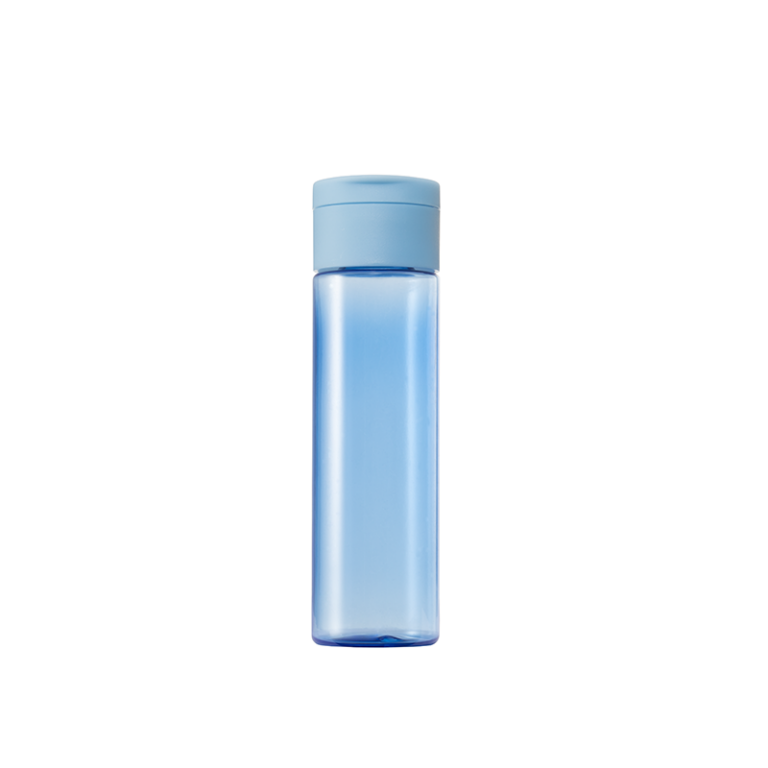
Picture the morning rush: two quick presses should deliver a clean 2 ml with no dribble. Many pumps promise that output, but actuator geometry, spring rate, and check valve design decide if it actually happens. And here’s the kicker—small shifts in viscosity or neck finish (28/410 vs 24/410) can change everything. So, are we comparing like for like, or just looking at labels and hoping? Let’s unpack the gaps next—then map what’s coming.
Where Traditional Solutions Fall Short
Why do leaks and sputters persist?
Let’s get technical for a moment. Most legacy pumps rely on a simple piston and check valve. They work—until they meet thick gels, travel jolts, or repeated cycles. Tolerance stack-up in the actuator and closure can cause micro-gaps, and torque inconsistencies at capping let air creep in. That’s why you get the first-press sputter or the slow drip down the collar. Look, it’s simpler than you think: if the spring rate doesn’t match the formula’s viscosity, the pump either floods or starves. And that ruins dosing accuracy.

Another flaw sits in the body itself. PET is tough and clear, but wall thickness must match pressure dynamics. Under-filled bottles create headspace that strains the pump chamber. Add a warm car or a flight and you invite backflow. Traditional designs rarely account for pressure equalisation under temperature swings—funny how that works, right? Without cycle testing past 10,000 actuations and proper gasket selection, even a good resin and mold spec won’t save the day. Users don’t complain about “check valves”; they just say, “It leaks.” Same problem, different language.
Comparative Outlook: Smarter Pumps, Calmer Counters
What’s Next
Now, let’s compare the old playbook with the new. Modern pumps use redesigned flow paths and micro-channels that stabilise the return stroke. The principle is straightforward: shorter head, tighter seals, and a tuned compression spring reduce cavitation. Some lines integrate airless-like chambers for better priming, even without a full airless build. On the supply side, a capable pet pump bottle factory now pairs injection-molded precision with inline vision systems to catch mold drift before it shows up on your shelf. The result is consistent dosage, even when viscosity shifts between batches.
Future-facing options will push further. Expect adjustable actuators that offer 0.8 ml, 1.2 ml, or 2.0 ml output from the same platform, plus smarter closures that maintain seal integrity across a wider torque window. Material science also helps: modified polymer resin blends reduce stress whitening and improve thread engagement. And yes—travel resilience is improving with better venting that doesn’t invite leaks. We’ve learned that “no mess, steady dose, clean prime” beats any glossy claim. So, how do you choose? Focus on three checks: measured dosing accuracy across three viscosities; leak rate after thermal cycling and drop tests; and capping torque stability over multiple lines (manual and automated). Keep it practical, keep it measurable, and keep it lekker—because that’s what holds up in the real world.
In short, legacy pumps struggle with tolerance, pressure, and viscosity shifts, while newer designs balance actuator geometry, spring tuning, and QA at scale. Different paths, different results. The next wave will make performance less fragile and more predictable—good for salons, households, and travel kits alike. Advisory note to close: verify cycle testing to 10,000 presses, confirm neck-finish compatibility, and demand COAs that include leakage and output variance—simple steps, big payoff. And if you’re mapping suppliers, keep an eye on teams who publish their process control ranges. That transparency speaks volumes—funny how that also reduces headaches, right? Powered by the steady hands behind NAVI Packaging.